
What is the caloric Deficit?
Are you tired of watching the same digit on your weighing scale? You have been trying various diet plans still not losing fat? Have you reached your plateau weight? You are working hard at the gym still not getting results? Well, my friend, the reason behind this could be you must be eating on a caloric surplus or maintenance calories. Let us understand what calories are.
What are the calories?
A calorie is a unit of measurement of food we eat. A calorie measures the amount of energy in the food and beverages that we consume. We all need this energy to perform basic body functions and day to day activities. Everything we do relies on the energy that comes in the form of calories. Every person has a different caloric need depends on their activity levels. For example, a person with a desk job might need fewer calories a day as compared to a person who has a field job.
What is the caloric deficit?
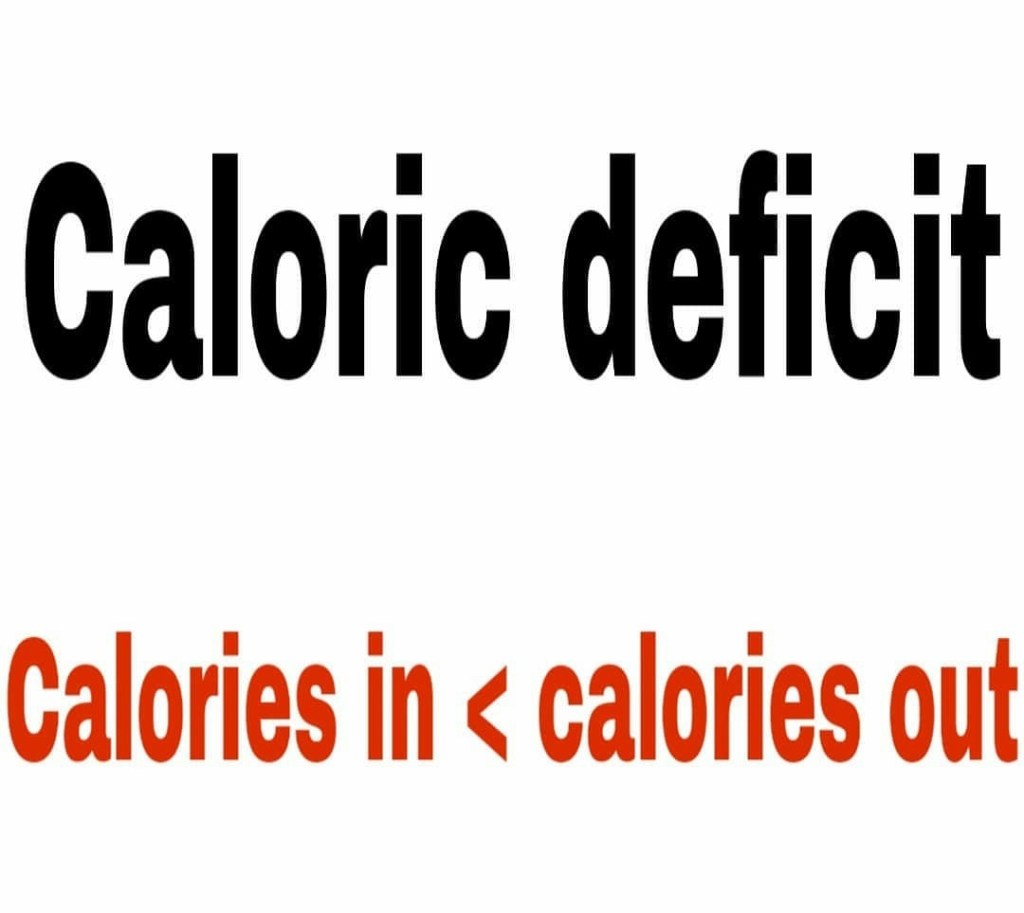
A caloric deficit is fewer amounts of calories consumed relative to the number of calories required for the maintenance of current body weight.
A deficit can be created by reducing the calories consumed. A deficit can also be created by increasing physical activity or from increased caloric requirements necessary to heal an injury or from growth.
In simple words, Caloric deficit = Eat less burn more.
Determining your maintenance calories
The first step is to determine how many calories are your maintenance calories i.e the amount of calories you eat with which you are neither losing weight nor gaining any. There are many formulas that provide the BMR and the TEE with your measurements but these are pure assumption and doesn’t tell you the accurate value.
The best way to easily determine your maintenance calories is by observing your lifestyle by observing your ups and downs in weight while eating a particular amount of calories.
How do we calculate our daily caloric needs just to get an idea where to start with?
Now the question arises how do we calculate the number of calories we need in a day? Here comes the concept of BMR (Basal Metabolic Rate) and TEE (Total Energy Expenditure).
BMR is the rate at which your body uses energy when you are resting in order to perform necessary functions such as breathing. BMR is the rough idea of how much calories your body needs even if you are resting throughout the day. BMR can also get affected by various factors like sleep, stress, fitness, disease, inflammation, etc.
TEE is the sum of BMR and the calories your body is burning other than BMR through various activities you perform in a day.
BMR and TEE calculation formulas
One of the methods of calculating approximate BMR is based on a person’s weight, height, and age.
§ Women: BMR = 655 + (4.35x Weight in pounds) + (4.7x Height in inches) -(4.7 x Age in years)
§ Women: BMR = 655 + (9.6x Weight in kilograms ) + (1.8 x Height in centimeters) – (4.7 x Age in year)
§ Men: BMR = 66 + (6.23x Weight in pounds) + (12.7x Height in inches) – (6.8x Age in years)
§ Men: BMR = 66+ (13.7x Weight in kilograms) + (5x Height in centimeters) – (6.8x Age in years)
TEE (Total Energy Expenditure)
§ If you’re doing little or no exercise
TEE = BMR x 1.2
§ If you’re doing light exercise or sports 1-3 days a week
TEE = BMR x 1.375
§ If you’re doing moderate exercise or sports 3-5 days a week
TEE = BMR x 1.55
§ If you’re doing intensive exercise or sports 6-7 days a week
TEE = BMR x 1.75
How much deficit is beneficial?
When we talk about eating less than your daily calorie requirement i.e the maintenance calories the question arises how much less?
A deficit of 300 – 400 calories is beneficial for slow and steady progress.
Everyone wants fast results. Xzy person did a particular diet and lost 5kgs in a short period of time.
Xyz person ate 1000 calories and lost weight very quickly. So you get like I’ll eat less as much I can and some people even starve in order to lose weight did anyone tell you the after picture?
What happens when you are on a large caloric
deficit?
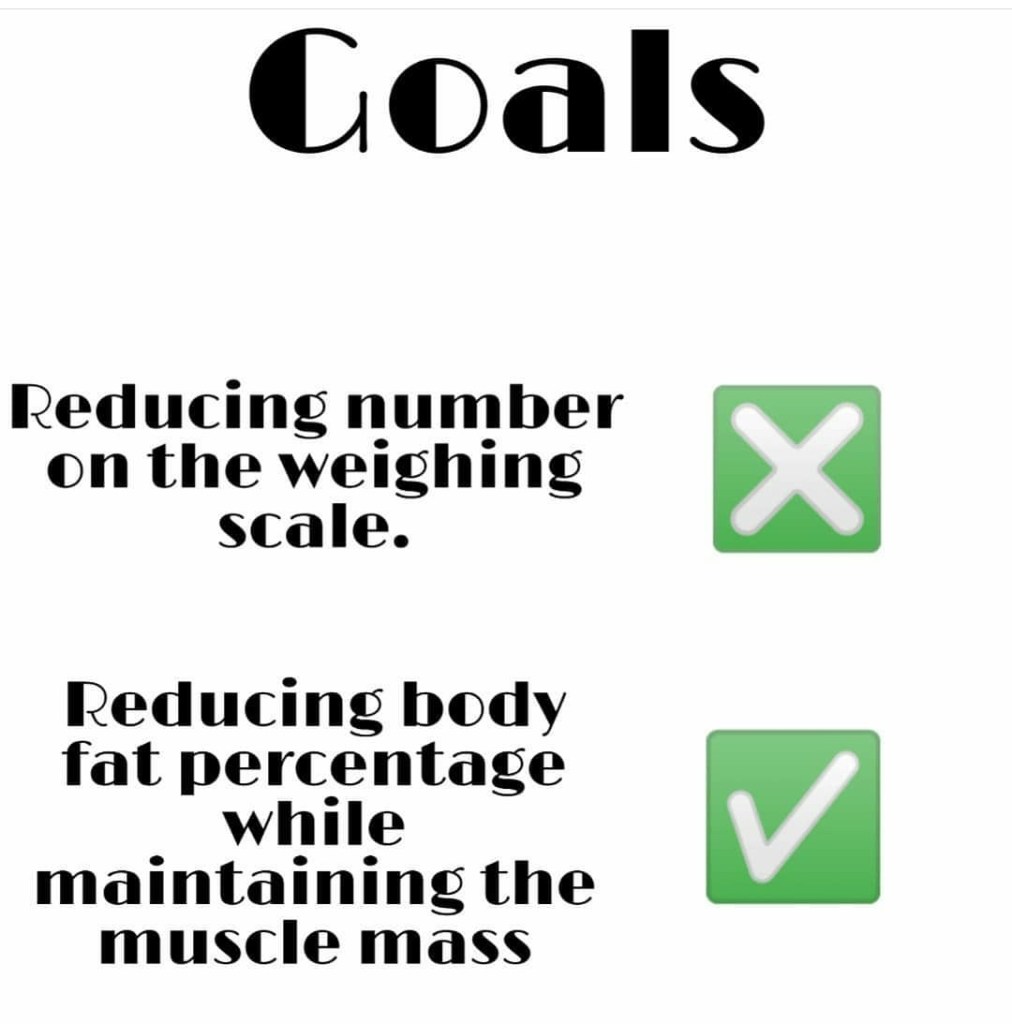
When you eat on a large deficit i.e. more than 400 calories (which most of the fad diets does) you may get faster results and lose weight faster but as I told you earlier that body weight is the sum of fat mass, muscle mass, water weight, etc the weight you have lost could from any of these three.
1.) Muscle loss:- The first limitation of eating on a large caloric deficit is you would lose a large amount of muscle mass as well. On the other hand, if you would eat on a small caloric deficit there will be no or very minimus loss of muscle mass
2.)Your body will adapt accordingly and it will become efficient. The term efficient here has a negative point if your goal is to lose fat. Your body will become efficient as it would use less calories to do the same activity. For example, if you are eating 1000 calories for a long time your body will adapt accordingly and if you try to eat more than 1000 you will gain weight. On the other hand, if you are eating 1500 calories and increasing say 100 calories in a week or two or even cycling the calories in a week. Since you would not be eating a particular amount of calories for a long time your body will not adapt to a particular amount.
3.) As you are eating less calories if is pretty possible to get Minerals and vitamins deficiency.
4.) Low in fiber which is not good for a healthy gut
5.) Eating on a large caloric deficit It will not be a sustainable diet as you have to deal with hunger and other consequences which would make it difficult for you to be consistent with your routine. On the other hand, if you would be eating on a less caloric deficit and a lot of fiber and drinking sufficient amount of water every day there will be a very less chance of facing hunger problems.

 Looking for a few easy tips to get in shape and look good ? you are at a right place.